
Quick Answer
On-demand merch is replacing bulk ordering because it eliminates inventory waste, reduces upfront risk, adapts to changing team sizes, and delivers branded products faster—without storage or minimum order requirements.
What Is On-Demand Merch?
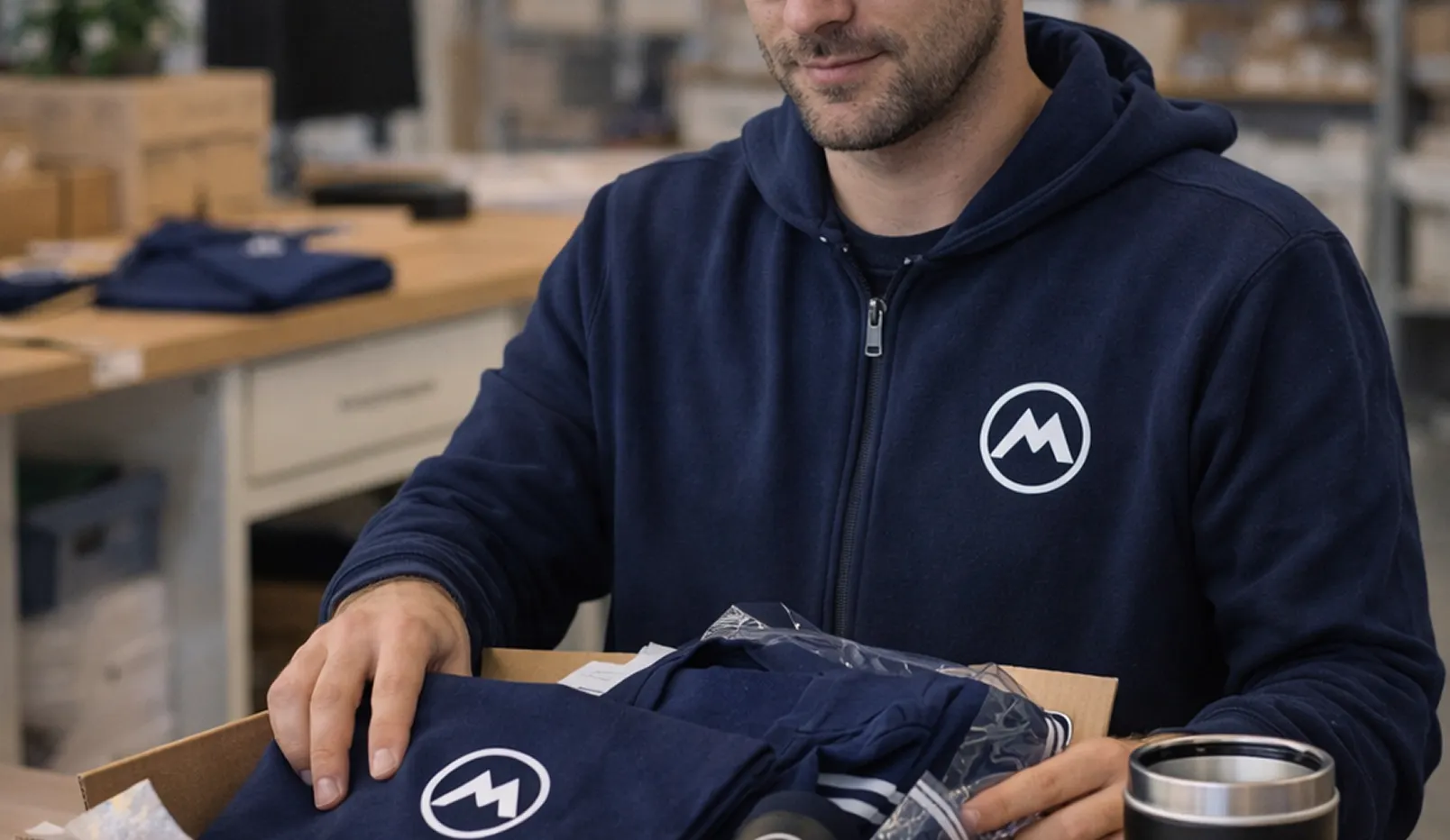
On-demand merch is a merchandising model where products are produced and shipped only after an order is placed, rather than being purchased in bulk and stored.
This approach removes minimum order requirements, inventory storage, guesswork around sizes and quantities, and waste from unused or outdated items.
Instead of being a one-time project, merch becomes a repeatable system teams can rely on whenever they need it.
Why Bulk Merch Ordering Is Failing Modern Teams
Bulk ordering was designed for a different operating reality. It assumed stable headcount, centralized offices, predictable demand, and long lead times.
Modern teams don’t work that way anymore.
Today’s organizations are distributed, hiring year-round, rebranding more often, and operating on faster timelines. When those conditions change, bulk merch stops being efficient—and starts becoming expensive.
That inefficiency matters, especially considering how much companies still spend on merch. According to the Advertising Specialty Institute (ASI), the promotional products industry reached a record $26.6 billion in sales in 2024, underscoring that merch remains a major operational expense for organizations of all sizes .
When a spend category is that large, inefficiency adds up fast.
The Hidden Cost of Bulk Merch Isn’t the Price Per Unit
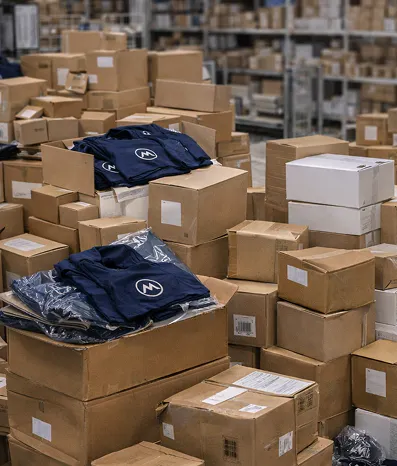
The biggest problem with bulk merch isn’t what companies pay upfront. It’s what they never use.
Waste shows up as:
- Over-ordering “just in case”
- Incorrect size breakdowns
- Leftover items from past events
- Outdated branding sitting in storage
- Time spent managing boxes instead of real work
A lower unit cost doesn’t matter if a meaningful portion of the order never leaves the closet.
How On-Demand Merch Matches How Teams Operate Now
On-demand merch flips the model.
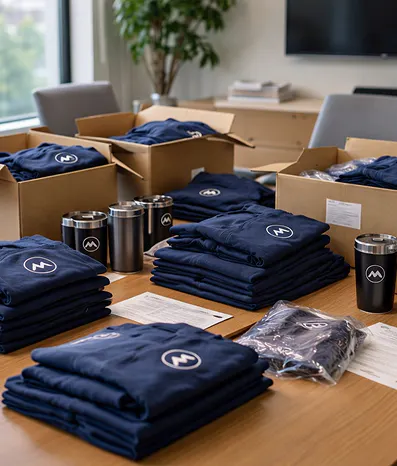
Instead of planning months ahead, teams order only what they need, when they need it. That shift removes guesswork, reduces financial risk, speeds up delivery, keeps branding current, and eliminates storage entirely.
This isn’t just a preference shift—it’s a demand shift. Industry research from PPAI shows that more than half of top distributors report increased demand for personalization and faster fulfillment, signaling that buyers now expect flexibility and responsiveness from merch programs.
On-demand systems are built for exactly that expectation.
Why Every Industry Is Making the Shift
Healthcare
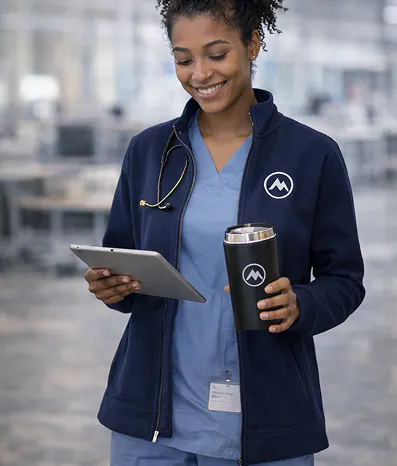
Healthcare teams change frequently, departments operate independently, and events often come together quickly. On-demand merch allows organizations to support staff and outreach without over-ordering or storing unused items.
Technology
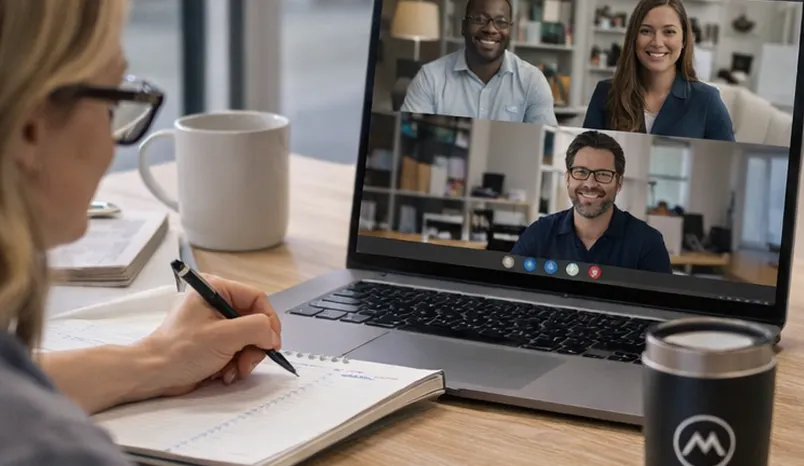
Tech teams scale fast, hire remotely, and evolve constantly. On-demand merch adapts to headcount changes without rebuilding the program every quarter.
Construction & Trades
Crews fluctuate by project and season. On-demand merch outfits teams as needed—without guessing quantities or storing gear between jobs.
Law & Financial Services
Brand perception matters. On-demand merch enables refined, brand-safe ordering without committing to bulk runs that don’t fit every office or practice group.
Different industries. Same operational shift.

No Minimums Is About Control, Not Size
“No minimums” isn’t about placing small orders. It’s about control.
It means:
- No overcommitting budget
- No excess inventory
- No premature decisions
- No wasted storage space
Control is what modern teams value most—and on-demand merch delivers it.
Speed Is Now a Baseline Expectation
Bulk merch timelines were built around long production cycles. Today’s teams expect fast onboarding, quick event readiness, and predictable delivery.
On-demand merch meets that standard by delivering products in days—not months—so merch shows up when it’s actually relevant.
Merch Is Shifting From Inventory to Infrastructure
The biggest change happening right now isn’t about products. It’s about mindset.
Merch is no longer a one-time purchase. It’s becoming infrastructure—a system teams rely on, reuse, and refine over time.
That shift turns merch from a recurring headache into a reliable operational asset.
The Closet Test
There’s a simple way to tell if bulk ordering is failing you.
If you have a closet, storage room, shelf, or box labeled “old merch,” you’re paying for things you don’t need.
On-demand merch eliminates the closet entirely.
Why On-Demand Merch Is the Future
Companies aren’t abandoning bulk ordering because it’s broken. They’re leaving because it no longer fits how they operate.
On-demand merch is winning because it’s flexible, efficient, scalable, brand-safe, and waste-free.
Once teams switch, they rarely go back.
Final Takeaway
The shift from bulk merch to on-demand merch is happening because modern teams need flexibility, speed, and control—not closets full of unused inventory.
Author
Chris Harwood is the founder of Brandini, an on-demand merch platform helping modern teams replace bulk ordering with flexible, brand-safe merch systems. He’s worked across healthcare, tech, construction, and professional services helping organizations eliminate waste and simplify merch operations.


