
Walk into almost any office and you will still find it. A storage closet packed with old T-shirts, leftover mugs, mismatched sizes, and merch no one remembers ordering.
For years, this was considered normal.
In 2026, more companies are finally walking away from merch inventory closets for good and replacing them with smarter, on-demand systems.
Here is why.
Inventory Is Expensive in Ways No One Measures
The cost of merch inventory is rarely just the invoice. It is the square footage it takes up, the time spent managing it, and the waste created when items go unused.
Closets quietly drain budgets without delivering value. Most teams never track what actually gets worn. They just keep ordering and storing.
That is why many companies are moving to an on-demand merch platform like Brandini, where nothing is produced until it is needed.
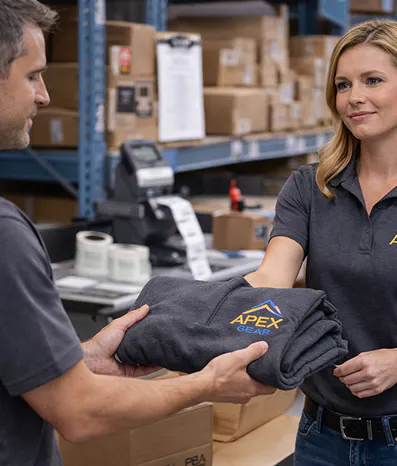

Bulk Ordering Forces Bad Guesses
Bulk merch requires predicting the future. How many hires are coming. Which sizes people will want. What designs will still feel relevant months from now.
Those guesses are almost always wrong.
On-demand merch eliminates forecasting entirely. Companies order exactly what they need, when they need it, without overbuying or panic reorders. This is why teams are choosing inventory-free company merch through Brandini instead of filling closets “just in case.”
Closets Cannot Keep Up With Brand Changes
Brands evolve faster than inventory ever will.
New logos, refreshed colors, and updated messaging make old merch unusable overnight. Yet it still sits on shelves, quietly working against brand consistency.
With brand-safe on-demand merch from Brandini, companies stay current without worrying about outdated gear resurfacing months later.
Storage Creates Friction Teams Do Not Need
Someone always ends up owning the merch closet. Tracking counts. Handing items out. Shipping to remote employees. Dealing with shortages and leftovers.
That friction turns merch into a chore instead of a culture tool. On-demand systems remove storage, handling, and distribution from the equation entirely.
Remote and Hybrid Teams Changed the Rules
Merch closets were built for centralized offices. Teams are no longer centralized.
Shipping from a closet to remote employees is slow, manual, and inconsistent. On-demand merch meets teams where they work by shipping directly to homes, offices, or event locations without extra steps.

Quality Is Replacing Quantity
Companies are buying fewer items overall, but choosing better ones.
Instead of stocking closets with cheap giveaways, teams are investing in high-quality merch people actually want to wear or use. When quality improves, inventory becomes unnecessary.
Good merch does not need to be stored. It needs to be available.
Merch Is Becoming an Always-On System
The biggest shift is mindset.
Merch is no longer a one-time order. Modern companies treat it as an ongoing system that supports onboarding, events, recognition, and gifting year-round.
Inventory closets cannot support that. On-demand merch can.
The Bottom Line
Merch inventory closets are a leftover solution from a slower, more centralized way of working. Today’s teams move fast, work everywhere, and expect simplicity.
That is why companies are ditching closets and choosing on-demand merch instead. Less waste. Less work. Better results.
Ready to Ditch the Closet?
If your merch still lives on shelves instead of in people’s hands, it is time for a better system.
Start your on-demand merch store with Brandini and make inventory someone else’s problem.
Author
Chris Harwood is the founder of Brandini, an on-demand merch platform helping modern teams replace bulk ordering with flexible, brand-safe merch systems. He’s worked across healthcare, tech, construction, and professional services helping organizations eliminate waste and simplify merch operations.


